I want to start with the problem that keeps me up at night, because it's also the reason Rosalind exists. Modern biology produces an astonishing amount of data, and trusts far too little of it. That gap, between how much we generate and how much we can actually rely on, is the defining challenge of our field. It's also, I've come to believe, the biggest opportunity in it.
A quiet crisis
For years now, the life sciences have been wrestling with a reproducibility crisis that rarely makes the front page but shapes everything underneath it. In one widely-cited survey, most researchers admitted they had tried and failed to reproduce another scientist's experiment, and a striking number couldn't reproduce their own. Sit with that for a moment. The entire currency of science is a result someone else can stand on, and far too often that footing simply isn't there.
The causes are rarely dramatic. They're mundane and structural: analyses run in one-off scripts nobody can rerun, methods compressed into a paragraph that leaves out the decisions that actually mattered, data stored in formats and folders that make sense only to the person who made them. The knowledge of how a result came to be evaporates almost as fast as the result itself is produced.
The founding bet
When we set out to build Rosalind, we made a bet that sounds almost boring next to the flashier promises in our industry: that rigor and provenance are not overhead. They are the foundation. That if you make good analysis reproducible by default (if the path from raw data to final figure is transparent, recorded, and re-runnable), you don't merely prevent mistakes. You change what becomes possible on top.
It's a bet on discipline before dazzle. It would be easy to chase every new method and modality and leave the plumbing for someday. We've deliberately chosen the opposite order. Get the foundation right (careful quality control, honest handling of every data type, a faithful record of how each result was made) and everything you build above it inherits that trust.
Why the foundation is the opportunity
Here's the part I find genuinely exciting. The same discipline that solves the reproducibility problem is the discipline that unlocks the next era of biology. You cannot reason across data you don't trust. You cannot let software (or, increasingly, AI) help interpret results if you can't vouch for how those results were made. Trust isn't a compliance checkbox bolted on at the end; it's the precondition for everything ambitious we want to do next.
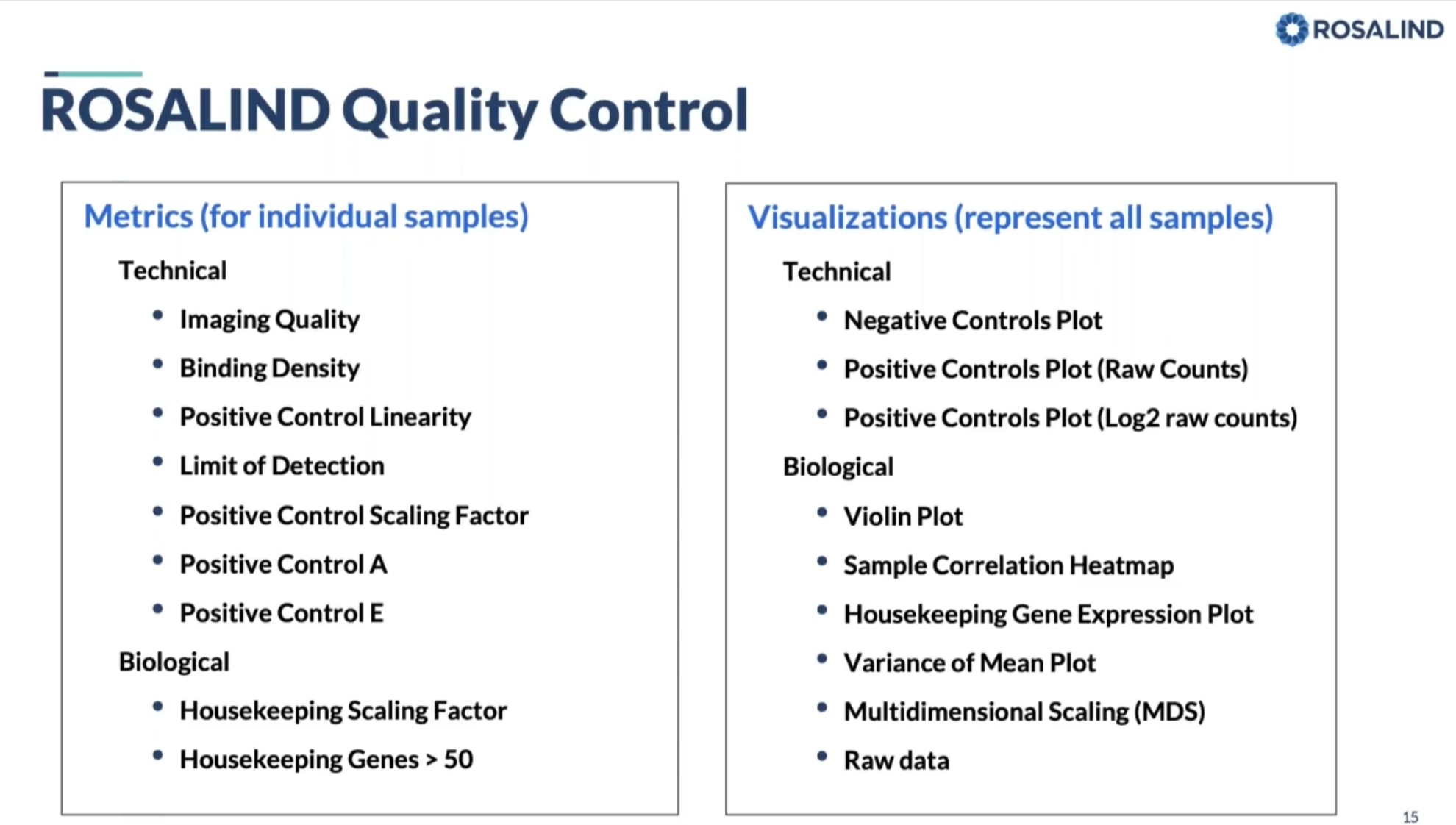
So when we invest in the unglamorous things (flexible, correct handling of assays; QC that catches problems early; provenance that travels with a figure all the way into a manuscript), we're not just tidying up after science. We're laying track. Each of those investments is a plank in a foundation meant to carry a great deal of weight.
What's ahead
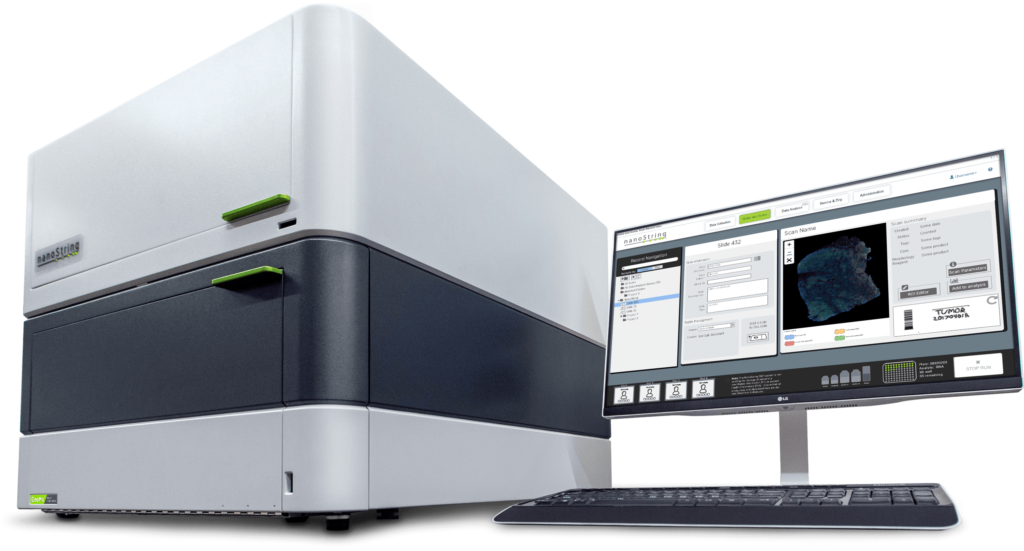
Over the coming months you'll see us bring richer kinds of data into that same disciplined home: spatial biology, deeper single-cell workflows, better tools for turning an analysis into a publishable, defensible figure. It may look like a run of features. I'd ask you to read it as something more deliberate: the patient construction of a foundation trustworthy enough to build real intelligence on.
The reproducibility problem is real, and it is serious. But problems this fundamental are exactly where the largest opportunities hide. We intend to build straight through it, and to bring you with us. Thank you, as always, for building alongside us.